
So what the heck is Search Engine Positioning? Search Engine Positioning is the process of ranking a specific web page for a specific keyword. This is done by focusing the content of that web page on that keyword as it’s topic. Everyone wants to rank well in search engines, especially for higher volume keywords. The best way to do this is by targeting topics that people are actually searching for and then creating content in a way that search engines love and want to index. In this article’ we’ll share the main points to focus on if you want to get good search engine positioning.
Key Aspects to Search Engine Positioning
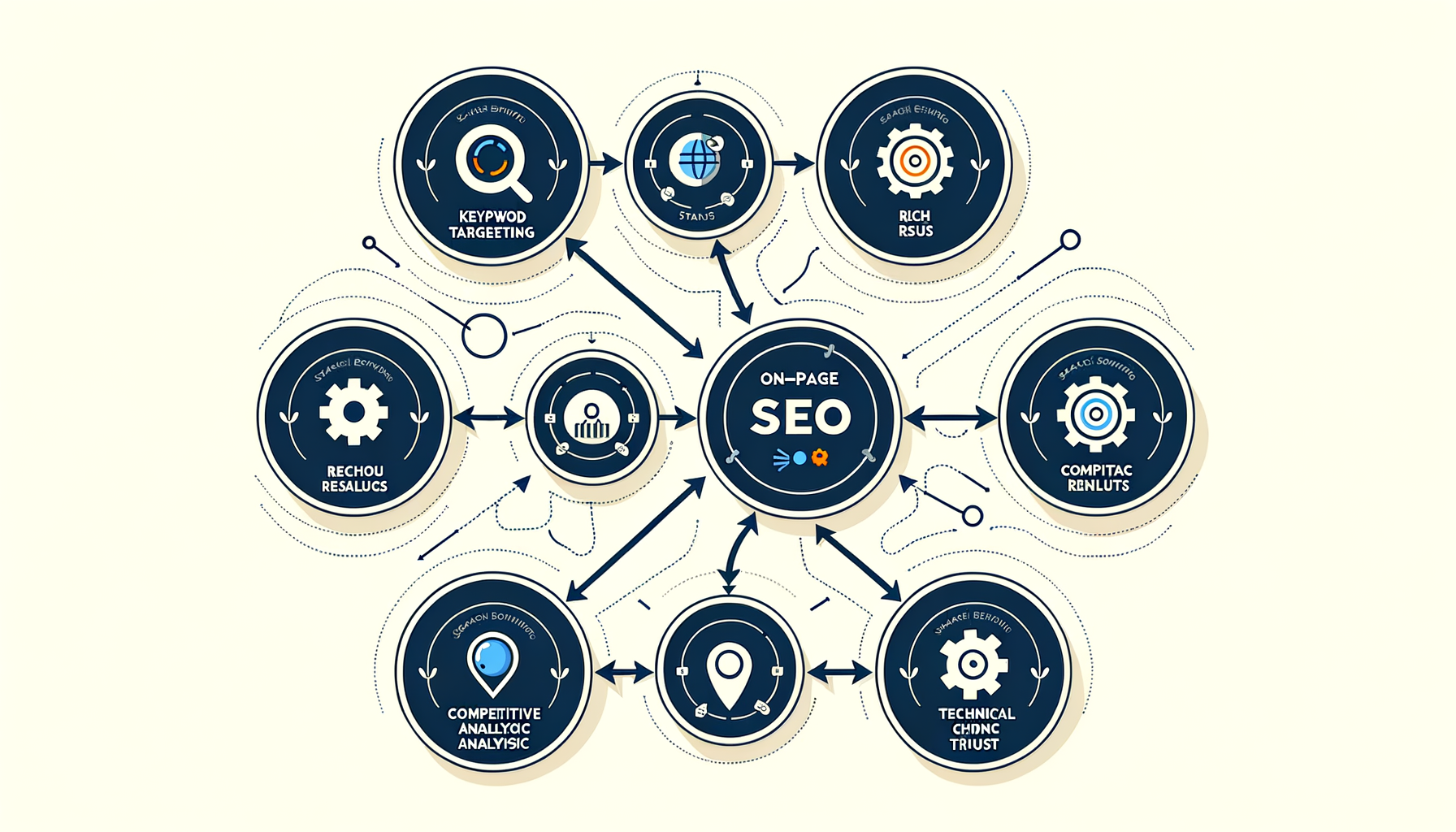
- Keyword Targeting
- On-Page SEO
- Rich Results
- Competitive Analysis
- Technical SEO
- Page Trust
We’ll break down each into it’s own section below:
Keyword Targeting
Having a target keyword or subject is critical. If you wanted a page to rank for a keyword like “search engine positioning” you’d write a blog like this making sure to use the keyword where it makes sense and as often as if makes sense. You’d also want to make sure to add the keyword to the meta titles, descriptions and headers of the page.
On-Page SEO
Having solid on-page is what I mentioned above with meta titles and descriptions along with properly tagged images etc.
Rich Results
Having structured data so that you can show in google maps or product snippets is critical as well. This can be accomplished by adding in schema etc. to your content.
Competitive Analysis
By making sure your content is frankly better than your competitors you can position yourself above them in search for a lot of major keywords around your subject.
Technical SEO
Have a solid page load and good hosting environment will allow for faster crawls and page speed tests by google.
Page Trust
Domain authority and page authority that are higher will give you a better ranking than your competitors with less history.
Summary
If you implement all of these into your content while going after search engine positioning you’ll see a huge increase in qualified traffic to your website. Best of luck!
